
In This Article
Choosing the right group 123 car seat can feel like navigating a maze of safety standards, ISOFIX systems, and height regulations. As a parent, I know the anxiety of wondering whether you’ve made the right choice for your little one’s safety. Will this seat genuinely last from nine months to twelve years? Is it worth the investment? And most importantly, will it keep your child safe through every stage of their childhood?
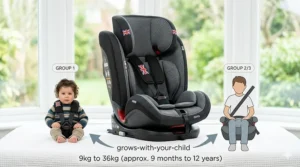
Group 123 car seats offer an appealing promise: one seat that grows with your child from toddlerhood through to pre-teen years, potentially saving you hundreds of pounds on multiple seat purchases. However, not all combination seats are created equal. Some excel in the early stages but fall short as your child grows, whilst others might tick all the safety boxes but prove a nightmare for daily use.
In this comprehensive guide, I’ll walk you through everything you need to know about group 123 car seats available in the UK in 2026. We’ll examine real products currently on sale, compare safety features against the latest R129 (i-Size) regulations, and help you determine whether a multi-group seat truly offers the best value for your family. Whether you’re a first-time parent or a grandparent looking for a versatile option for occasional use, this guide will equip you with the knowledge to make an informed decision.
Quick Comparison Table
| Car Seat Model | Price Range (£) | Weight Range | ISOFIX | Key Feature | Rating |
|---|---|---|---|---|---|
| Joie Transcend | £140-£180 | 9-36kg | ✅ Yes | SnugShield cushion system | ⭐⭐⭐⭐ 4.0/5 |
| Cosatto Hubbub | £185-£214 | 9-36kg | ✅ Yes | Anti-escape harness system | ⭐⭐⭐⭐ 4.2/5 |
| Britax Römer EVOLVA | £160-£200 | 9-36kg | Optional | Side impact protection | ⭐⭐⭐⭐⭐ 4.5/5 |
| Graco SlimFit All-In-One | £180-£250 | 0-36kg | Optional LX | Birth to 12 years coverage | ⭐⭐⭐⭐ 4.1/5 |
| Cosatto Zoomi | £120-£135 | 9-36kg | ❌ No | Budget-friendly option | ⭐⭐⭐⭐ 3.8/5 |
| globalkids i-Size 360 | £180-£220 | 0-36kg | ✅ Yes | 360° rotation system | ⭐⭐⭐⭐ 4.0/5 |
| Maxi-Cosi Titan i-Size | £240-£300 | 76-150cm | ✅ Yes | 11-step adjustability | ⭐⭐⭐⭐⭐ 4.6/5 |
💬 Just one click – help others make better buying decisions too!😊
Top 7 Group 123 Car Seats: Expert Analysis
1. Joie Transcend – Best Front Shield Alternative
The Joie Transcend challenges conventional wisdom by replacing the traditional 5-point harness with an innovative SnugShield impact-absorbing front cushion for Group 1 stage. This design reduces strenuous forces on your child’s delicate body whilst making it considerably harder for little Houdinis to wriggle free.
Key Specifications:
- Weight range: 9-36kg (approximately 9 months to 12 years)
- 11-position adjustable headrest with AutoAdjust side wings
- 3 seat depth positions for growing children
- ISOFIX with 10-position retractable connectors
- Dimensions: 63.5 x 50 x 44cm | Weight: 7.8kg
UK parents particularly appreciate that the Transcend comes with a spare SnugShield cover – an absolute godsend for anyone whose children get car sick. One reviewer from Manchester noted: “Bought for my 3-year-old as he needed a new one but wasn’t old enough for a high-back booster. He likes having his arms free, and the shield gives me peace of mind.”
Price in UK: £140-£180
✅ Pros:
- Front shield reduces escape attempts
- Spare cushion cover included
- Smooth, intuitive height adjustments
- Excellent value for features offered
❌ Cons:
- Some parents find shield initially tricky to fit
- Not suitable for smallest 9-month-olds (better from 12+ months)
2. Cosatto Hubbub – Best Anti-Escape Technology
The Cosatto Hubbub has earned its reputation through Cosatto’s exclusive Anti-Escape System, developed alongside the makers of the original 5-Point Plus harness. In independent tests, 9 out of 10 children couldn’t wriggle free – a result that brings genuine peace of mind during motorway journeys.
Key Specifications:
- Weight range: 9-36kg (9 months to approximately 12 years)
- ISOFIX anchoring with reinforced construction
- 6-position adjustable headrest
- Plush padding with machine-washable covers
- 4-year manufacturer guarantee
This seat features a protective shell constructed from high-performance energy-absorbing materials, offering maximum protection from all angles. The Hubbub also includes thoughtful storage for harness straps as your child transitions through stages – a small detail that makes a significant difference in daily use.
Price in UK: £185-£214
Available in vibrant Cosatto designs including Hustle Bustle, Britpop, and Monster Mob, appealing to children who want a say in their car seat choice.
✅ Pros:
- Superior anti-escape technology
- Exceptionally comfortable padding
- Industry-leading 4-year guarantee
- Fun, colourful designs children love
❌ Cons:
- Premium pricing
- Slightly bulkier than competitors
3. Britax Römer EVOLVA – Most Popular Overall
The Britax Römer EVOLVA dominates UK sales charts for excellent reason. It represents the sweet spot between comfort, safety, and value whilst offering straightforward installation in the majority of vehicles using a standard 3-point seat belt.
Key Specifications:
- Weight range: 9-36kg
- Enhanced side impact protection
- Multiple recline positions
- Optional ISOFIX connectors available
- Breathable fabrics for temperature regulation
What sets the EVOLVA apart is its proven durability. Many UK families report using the same seat through multiple children without compromising structural integrity or comfort. One Surrey parent shared: “We’ve had ours for six years now, through two children, and it still looks and performs like new.”
Price in UK: £160-£200
The EVOLVA accommodates the installation method that best suits your vehicle – whether that’s ISOFIX with seat belt, or seat belt alone for vehicles without ISOFIX points.
✅ Pros:
- Exceptional build quality and durability
- Fits most UK vehicles easily
- Excellent customer reviews
- Trusted brand with proven safety record
❌ Cons:
- ISOFIX sold separately on basic model
- Fewer modern features than newer competitors
4. Graco SlimFit All-In-One – Best Extended Use
The Graco SlimFit All-In-One stands out by offering coverage from birth through 12 years, making it a genuine one-seat solution. Its slim profile (hence the name) makes it particularly valuable for families with multiple children or smaller vehicles.
Key Specifications:
- Weight range: 0-36kg (birth to 12 years)
- Both rearward and forward-facing modes
- Space-saving design (10cm narrower than standard seats)
- Available with IsoCatch connectors (LX model)
- Anti-slip chest and tummy pads
One Bristol mother raved: “It’s so easy to fit into the car and to take in and out. I highly recommend it.” The slim design doesn’t compromise on comfort – padded armrests and a removable seat liner ensure your child travels contentedly throughout their car seat years.
Price in UK: £180-£250 (standard model), £200-£280 (LX with ISOFIX)
The SlimFit particularly excels for families transitioning from an infant carrier, as it accommodates newborns without requiring an additional purchase.
✅ Pros:
- True birth-to-12-years coverage
- Space-efficient design for smaller cars
- Excellent value considering extended use
- Includes newborn insert
❌ Cons:
- Slightly heavier than competitors
- Basic LX model lacks some premium features
5. Cosatto Zoomi – Best Budget Option
The Cosatto Zoomi proves that budget-friendly doesn’t mean compromising on safety or quality. Priced significantly lower than premium alternatives, it delivers Cosatto’s signature colourful designs and solid construction with a reassuring 4-year guarantee.
Key Specifications:
- Weight range: 9-36kg
- 5-point adjustable harness
- Removable and washable covers
- 8 colour/style combinations
- Standard 3-point seat belt installation (no ISOFIX)
Whilst the Zoomi lacks ISOFIX capabilities, it compensates with straightforward installation that grandparents and childminders find particularly manageable. UK buyers consistently praise its value proposition – one Edinburgh reviewer noted: “Brilliant seat for the money. My granddaughter is very comfortable, and I feel confident she’s safe.”
Price in UK: £120-£135
This represents outstanding value for occasional-use scenarios such as grandparents’ vehicles or childminder transport.
✅ Pros:
- Exceptionally affordable
- Superior build quality for price point
- Fun designs appeal to children
- 4-year guarantee provides reassurance
❌ Cons:
- No ISOFIX option
- Fewer adjustment features than premium models
6. globalkids i-Size 360 – Best Rotation System
The globalkids i-Size 360 brings premium features to a mid-range price point, with its standout 360° rotation system making getting children in and out significantly easier – particularly important for anyone with back problems or limited car space.
Key Specifications:
- Height range: 40-150cm (birth to 12 years)
- ECE R129 i-Size certified
- 360° swivel function
- ISOFIX with support leg installation
- Rearward-facing capability up to 18kg
The rotation function works even with the support leg installed (unlike some competitors’ top-tether systems), and the generous recline angle of up to 160° provides excellent comfort for newborns. UK parents particularly value the sleeping belt that prevents head slumping during naps.
Price in UK: £180-£220
Available in Navy Feather Pattern, Black Grey, and Red colourways to match various vehicle interiors.
✅ Pros:
- Genuine 360° rotation simplifies daily use
- Extended rearward-facing option
- i-Size certified for latest safety standards
- Includes newborn insert
❌ Cons:
- Heavier than non-rotating alternatives (important for regular seat transfers)
- Some users report stiff rotation mechanism initially
7. Maxi-Cosi Titan i-Size – Premium Choice
The Maxi-Cosi Titan i-Size represents the pinnacle of group 123 car seat engineering, with 11 adjustable components ensuring maximum comfort throughout your child’s growth. Built to the latest i-Size safety standards, it offers peace of mind alongside premium features.
Key Specifications:
- Height range: 76-150cm (approximately 15 months to 12 years)
- ECE R129 i-Size certification
- 11-step growth adjustment system
- 5 recline positions
- 13 headrest positions
- ISOFIX with top tether
Maxi-Cosi’s G-CELL side impact protection technology absorbs and distributes crash forces away from your child, whilst the EasyGlide harness system makes getting children in and out genuinely straightforward. One London reviewer summarised: “Although expensive, this is the best investment we’ve made in car safety. The adjustability means it genuinely does last from toddler to tween.”
Price in UK: £240-£300
The Titan i-Size justifies its premium positioning through exceptional engineering and the confidence that comes with the Maxi-Cosi name.
✅ Pros:
- Market-leading adjustability (11 components)
- Latest i-Size safety certification
- Superior comfort for long journeys
- Excellent crash test results
❌ Cons:
- Premium pricing may stretch budgets
- Cannot be used before 15 months (not suitable from birth)
✨ Don’t Miss These Exclusive Deals!
🔍 Take your child’s car safety to the next level with these carefully selected products. Click on any highlighted item to check current pricing and availability on Amazon.co.uk. These seats will help you create authentic peace of mind your family deserves!
What Is a Group 123 Car Seat?
A group 123 car seat represents a multi-stage child restraint designed to accommodate children from approximately 9kg (around 9 months) up to 36kg or 150cm in height (roughly 12 years old). Unlike single-group seats that require replacement as your child grows, these combination seats adapt through three distinct phases:
Group 1 (9-18kg / approximately 9 months to 4 years): Forward-facing with internal 5-point harness or impact shield, secured via ISOFIX or vehicle seat belt.
Group 2 (15-25kg / approximately 4-6 years): High-back booster mode where the vehicle’s seat belt replaces the internal harness, routing through guides to ensure proper positioning.
Group 3 (22-36kg / approximately 6-12 years): Continued high-back booster use until your child reaches 135cm or 12 years (whichever comes first).
According to UK government regulations, children must use appropriate car seats until they’re either 12 years old or 135cm tall. Group 123 seats streamline this legal requirement by eliminating the need for multiple seat purchases.
However, it’s crucial to understand that no single group 123 seat performs equally well across all three stages. Independent crash testing by organisations like ADAC reveals that seats rated “Good” for Group 1 often drop to “Adequate” in Group 3 due to compromised belt geometry or shallow side wings for smaller six-year-olds.
Understanding R44 vs R129 Regulations
The UK car seat market currently operates under two parallel safety standards:
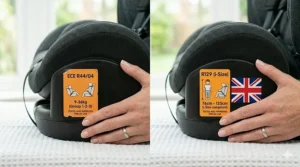
ECE R44/04 (older regulation): Weight-based grouping system that’s been phased out for new sales as of September 2024, though existing seats remain legal to use.
ECE R129 (i-Size) (current standard): Height-based classification with mandatory rearward-facing until 15 months, enhanced side-impact testing, and ISOFIX installation requirements.
When purchasing a new group 123 car seat in 2026, prioritise R129 (i-Size) certified models for the most up-to-date safety features. These seats undergo stricter testing protocols and provide superior protection, particularly during side-impact collisions.
Key Features to Consider
ISOFIX Installation vs Seat Belt Fitting
ISOFIX (International Standards Organisation Fix) represents the gold standard for car seat installation, reducing installation errors by approximately 70% according to the Swedish Transport Agency. These metal anchor points, built into your vehicle’s seat structure since 2006 in most UK cars, allow the seat to bolt directly to the chassis.
ISOFIX Advantages:
- Significantly reduces incorrect installation
- More stable in crashes
- Quicker to install and remove
- Less prone to loosening over time
Seat Belt Fitting:
- Works in vehicles without ISOFIX points
- Often lighter (easier for grandparents to move between cars)
- Can sometimes allow more recline positions
- No compatibility list checking required
Most modern group 123 seats offer both options, allowing flexibility depending on which vehicle you’re using. For grandparents or childminders who might find ISOFIX installation daunting, a quality seat belt-only model like the Cosatto Zoomi can prove more practical.
Side Impact Protection Systems
Side-impact collisions account for approximately 25% of serious injuries in child car seat accidents. Modern group 123 seats incorporate various technologies:
- Energy-absorbing foam: Compresses during impact to reduce forces transmitted to your child
- Extended side wings: Create a protective cocoon around head and torso
- SICT (Side Impact Cushion Technology): Britax Römer’s retractable cushions on door-side
- Guard Surround Safety panels: Cosatto’s fold-away extra protection layers
Premium models like the Maxi-Cosi Titan i-Size feature G-CELL technology that actually redistributes crash forces away from the child’s body entirely.
Harness Systems and Transition Points
The transition from Group 1 to Group 2 – where children move from an internal harness to relying on the vehicle’s seat belt – represents the riskiest phase for misuse. Research indicates many parents switch too early, compromising safety.
Best Practice Guidelines:
- Keep children in the 5-point harness until they outgrow it by height (shoulders above top harness slot)
- Don’t rush to booster mode simply because your child meets the minimum weight
- Ensure your child can sit properly without slumping before removing harness support
Alternative systems like the Joie Transcend’s SnugShield cushion can extend this transition period by providing easier-to-use restraint that children can’t escape from whilst maintaining proper positioning.
How to Choose the Right Group 123 Car Seat for Your Family
Assessing Your Vehicle Compatibility
Before falling in love with a particular model, verify it actually fits your vehicle properly. Most manufacturers provide online compatibility checkers, but nothing beats a physical test-fit:
- Check ISOFIX availability: Not all vehicle seats have ISOFIX points (particularly centre rear positions)
- Measure available space: Group 123 seats vary in depth – crucial for compact cars
- Test recline clearance: Ensure the seat doesn’t contact the front seats when reclined
- Verify belt routing: Some vehicles have awkward belt configurations
Many UK retailers including Mothercare and Halfords offer in-store fitting services where experts can confirm compatibility and demonstrate proper installation.
Matching Seat Features to Your Child’s Needs
Not every child fits the “average” growth curve. Consider:
Taller children: May outgrow seats by height before maximum weight – prioritise models with extensive headrest adjustment (11+ positions)
Children who sleep in cars: Look for multiple recline positions and head support systems
Children with sensory sensitivities: Extra padding and breathable fabrics prevent discomfort
Escape artists: Anti-escape harness systems (Cosatto) or shield systems (Joie) prove invaluable
Budget Considerations and Long-Term Value
Group 123 car seats range from £120 to £300+ in the UK market. Consider this value equation:
Budget Option (£120-£150): Cosatto Zoomi
- Pros: Immediate affordability, still offers 4-year guarantee
- Cons: No ISOFIX, fewer features
- Best for: Grandparents, occasional use, second car
Mid-Range (£160-£220): Joie Transcend, Britax Römer EVOLVA, globalkids 360
- Pros: Balance of features and price, ISOFIX options, proven reliability
- Cons: May lack some premium convenience features
- Best for: Primary family car, balancing budget and features
Premium (£240-£300): Maxi-Cosi Titan i-Size
- Pros: Latest safety standards, maximum adjustability, exceptional crash test results
- Cons: Significant upfront investment
- Best for: Families prioritising absolute safety and comfort
Remember that a quality group 123 seat used for 10+ years costs less annually than cheaper seats requiring replacement every 3-4 years.
Installation and Safety Tips
Correct Installation Guidelines
Even the safest car seat becomes dangerous if installed incorrectly. Follow these critical steps:
For ISOFIX Installation:
- Locate ISOFIX anchor points (between seat cushion and backrest)
- Extend ISOFIX connectors fully from car seat
- Push firmly until you hear clear “click” sounds on both sides
- Check indicators show green (secure) not red (loose)
- Attempt to pull seat forward vigorously – movement should be minimal (<2cm)
- Attach top tether or support leg as required by manufacturer
For Seat Belt Installation:
- Thread belt through correct guides (refer to colour-coded labels)
- Ensure belt isn’t twisted anywhere along its length
- Pull belt fully tight, pressing down firmly on seat
- Lock belt using vehicle’s locking mechanism (varies by car)
- Double-check belt path matches manufacturer’s diagram exactly
Statistics from UK child car seat safety organisations indicate that approximately 62% of group 123 seats show at least one critical installation error during roadside checks. Consider booking a free safety check with your local fire station or children’s centre.
Common Mistakes to Avoid
Transitioning Too Early: Just because your child meets the minimum weight doesn’t mean they’re ready for the next stage. Height, maturity, and ability to sit properly matter equally.
Winter Coats in Car Seats: Puffy coats create dangerous slack in harness systems. Remove coats before buckling, then place coat backwards over the secured child if they’re cold.
Twisted Harness Straps: Always smooth straps flat against your child’s body. Twisted straps concentrate forces into smaller areas during crashes.
Loose Harness: You should only be able to fit two fingers between the harness and your child’s chest. If you can pinch excess fabric, it’s too loose.
Incorrect Belt Routing: Using vehicle belt guides designed for different stages (Group 1 vs Group 2/3) compromises protection significantly.
Regular Maintenance and Inspection
Group 123 car seats require ongoing attention:
- Monthly: Check harness adjustments as children grow rapidly
- After any accident: Replace seat even if no visible damage (internal structure may be compromised)
- Every 3-6 months: Remove covers and vacuum seat mechanism, check for wear
- Before long journeys: Verify ISOFIX connections remain secure, check expiry date
Most car seats have a 6-10 year lifespan from manufacture date (printed on frame). Never use a seat past its expiry date or if you don’t know its complete history.
Real-World Performance and Testing
Independent Safety Ratings Explained
When evaluating group 123 car seats, independent crash testing provides crucial insights beyond manufacturer claims. The German automobile club ADAC conducts the most rigorous testing in Europe, examining seats across multiple criteria:
Frontal Impact Testing: Simulates head-on collisions at 64 km/h, measuring forces on head, neck, and chest.
Side Impact Testing: Evaluates protection during T-bone collisions – particularly important as R129 regulation mandates this testing.
Installation Ease: Assesses how likely parents are to install the seat correctly without errors.
Ergonomics: Tests daily usability including harness adjustment, recline operation, and fabric quality.
The Maxi-Cosi Titan i-Size consistently achieves “Good” ratings in ADAC testing, whilst the Britax Römer EVOLVA maintains strong performance across all three group stages. Budget options like the Cosatto Zoomi, whilst meeting all legal requirements, may score lower on ease-of-use metrics due to simpler adjustment mechanisms.
User Experience: What UK Parents Really Say
Beyond laboratory testing, real-world feedback from thousands of UK families reveals practical considerations:
Long-Distance Comfort: Parents consistently report that children tolerate longer journeys better in seats with multiple recline positions. The Graco SlimFit’s adjustable recline proves particularly valuable for motorway drives and holiday travel.
Cleaning Practicality: Car seats face spilled juice, muddy shoes, and occasional car sickness. Machine-washable covers aren’t just convenient – they’re essential. The Joie Transcend earns particular praise for including a spare shield cover, eliminating the frustration of waiting for washed covers to dry.
Temperature Regulation: British weather extremes mean seats need breathable fabrics that prevent overheating in summer whilst providing comfort in winter. Premium models incorporate moisture-wicking materials and ventilation channels.
Daily Installation Cycle: Families who regularly move seats between vehicles (divorced parents, grandparents, childminders) prioritise lightweight designs and quick-release ISOFIX. Seats exceeding 10kg become burdensome for older grandparents managing regular school runs.
Group 123 vs Other Car Seat Options
Comparing Multi-Group Seats to Stage-Specific Alternatives
| Factor | Group 123 Seat | Individual Stage Seats |
|---|---|---|
| Initial Cost | £120-£300 (one purchase) | £80-£200 per seat × 2-3 stages = £160-£600 |
| Performance | Adequate across all stages | Optimised for specific stage |
| Convenience | No seat changes needed | Must purchase/install new seats |
| Rearward Facing | Limited or none in Group 1 models | Extended rear-facing options available |
| Crash Test Results | Variable across stages | Consistently high for intended age |
| Resale Value | Lower (used 10+ years) | Higher (used 2-4 years each) |
When Individual Seats Make More Sense
Consider purchasing stage-specific seats rather than group 123 models if:
Safety is paramount over budget: Extended rear-facing Group 1 seats (like the Axkid Minikid) provide superior protection for toddlers compared to forward-only group 123 models.
You have multiple children: Hand-me-down seats work better when each covers a shorter age range (less total wear).
Your child is outside average size percentiles: Very tall or petite children often outgrow group 123 seats prematurely.
You prioritise crash test ratings: Premium single-stage seats consistently score higher in independent testing.
The Environmental Perspective
From a sustainability standpoint, one seat lasting 10+ years theoretically creates less waste than three separate seats. However, consider:
- Can the seat be safely used by siblings or donated afterwards?
- Does the manufacturer use recyclable materials?
- What’s the actual usable lifespan before wear compromises safety?
Some parents find a middle-ground approach works best: extended rear-facing Group 1 seat (9-18kg), then a group 123 for subsequent stages, maximising both safety and value.
✨ Upgrade Your Family’s Travel Safety Today!
🔍 These expertly-vetted group 123 car seats combine cutting-edge protection with real-world practicality. Click on any highlighted product to check current deals and availability on Amazon.co.uk. Your child’s safety on every journey starts with the right seat!
Frequently Asked Questions
❓ Can my 9-month-old use a group 123 car seat immediately?
❓ Do group 123 car seats fit three across in the back seat?
❓ How long can my child stay rearward-facing in a group 123 seat?
❓ Are group 123 car seats legal for taxi and Uber use in the UK?
❓ What's the difference between i-Size and ECE R44/04 group 123 seats?
Conclusion
Selecting the right group 123 car seat ultimately balances safety, practicality, and budget across a decade of your child’s life. Through our analysis of the UK’s top models in 2026, several key insights emerge:
For families prioritising latest safety standards without compromise, the Maxi-Cosi Titan i-Size justifies its premium positioning through exceptional adjustability and crash test performance. Its 11-step growth system genuinely adapts as your child develops, whilst R129 certification provides peace of mind.
Budget-conscious shoppers needn’t sacrifice quality – the Cosatto Zoomi proves that sub-£150 seats can still deliver solid construction and a 4-year guarantee, making it perfect for grandparents or occasional use scenarios.
The sweet spot for most UK families lies with the Britax Römer EVOLVA or Joie Transcend, offering proven reliability, practical features, and pricing that respects family budgets whilst maintaining strong safety credentials.
Innovation seekers will appreciate the globalkids i-Size 360 rotation system, which transforms daily use for anyone with back concerns or tight parking spaces, whilst the Cosatto Hubbub’s anti-escape technology addresses one of parents’ most common frustrations.
Remember that the “best” group 123 car seat is ultimately the one that fits your specific child, your vehicle, and your usage patterns. No online review can replace physically testing seats with your child present, checking vehicle compatibility, and ensuring you’re completely confident with the installation process.
As UK regulations require car seats until children reach 135cm or 12 years old, your choice matters for potentially a decade of family journeys. Take time to research thoroughly, visit retailers for hands-on demonstrations, and don’t hesitate to consult certified child passenger safety technicians for personalised guidance.
Your child’s safety during every school run, weekend trip, and holiday adventure depends on this decision – choose wisely, install correctly, and travel with confidence.
Recommended for You
- 7 Best Group 0+1 Car Seats UK 2026: Birth to 4 Years Guide
- 7 Best 360 Rotating Car Seats UK 2026 | Safety Expert Reviews
- 7 Best Extended Rear Facing Car Seats UK 2026
Disclaimer: This article contains affiliate links. If you purchase products through these links, we may earn a small commission at no additional cost to you. Prices shown are approximate and may vary.
✨ Found this helpful? Share it with your mates! 💬🤗
